Orentano is a frazione of Castelfranco di Sotto, sitting in the flat, green countryside of the province of Pisa — vineyards, olive groves and poplar rows, with Lucca, Pisa and the hills of San Miniato all within a half-hour drive. The village is first recorded in 848 AD, when its shepherds, farmers and eel-fishers pledged themselves to the Abbot of Sesto — but it is not a museum town: it is a quiet, lived-in village where the year is measured in sagre, church feasts and the winter Carnevale dei Bambini.
The Village
A real Tuscan village between Lucca and Pisa
The stories of the village
Village life, today
The four rioni

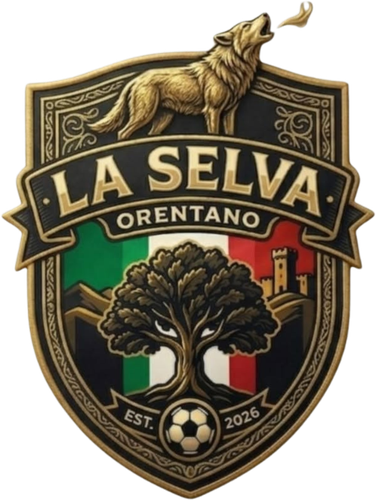
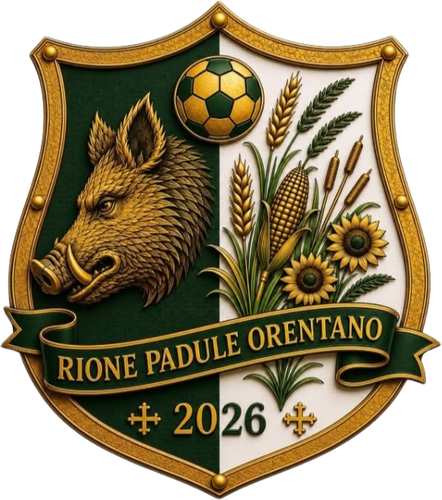
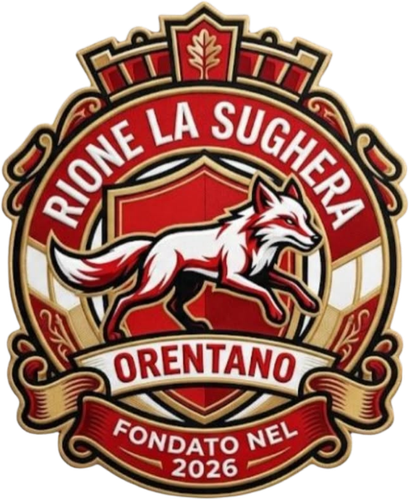
The village is divided into four rioni — Borgovalle, La Selva, Padule and La Sughera — quarters with their own colours, crests and communities. If you spot flags in purple, black-and-gold, green or red around the streets, that’s who lives there.
The village that looks after itself
A village of ~2,500 people with its own ambulance service: the Croce Bianca di Orentano, a volunteer pubblica assistenza born in 1985 and autonomous since 1990. Around 100 volunteers run ten vehicles — ambulances, social transport, civil protection and forest-firefighting units — from Via della Repubblica 4, and every July they cook for the whole village at the Sorsi e Morsi in Piazza festival. It says a lot about how this place works.
The village on paper
Orentano writes about itself. These local books — the same ones behind the village’s daily quiz on Orentano News — are the deep dive, if you read Italian:
- Dizionario della Toponomastica Orentanese · Savino Ruglioni, 2022
The dictionary of every place name in and around the village — streets, corti, fields and families, from the Middle Ages to today.
- Il Tesoro dell’Orcino · Sergio Nelli & Savino Ruglioni, 2002
The story of the legendary treasure of the brigand Orcino — the legend that in 1959 had the village digging up its own piazza.
- 25 Anni di Carnevale · Ente Carnevale dei Bambini
The carnival’s own anniversary book: how a parish priest’s idea in 1956 became the village’s biggest tradition.
Also on the village shelf:
- Orentano e Villa Campanile dal XVI al XX secolo · Savino Ruglioni, 1998
- Orentano, antico piccolo borgo in un vasto mondo · Enrico Casini, 2002
- Lido Duranti. Vita di un partigiano ucciso alle Fosse Ardeatine · Claudio Biscarini e Savino Ruglioni, 2002
- Orentano. Un paese, un popolo, una chiesa · Savino Ruglioni, 2004
- Paese mio. Ricordi di personaggi locali scomparsi · Manrico Mazzoni, 2006
- Orentano 1907-2007. Cento anni del campanile ed altri eventi · Enrico Casini, 2007
- The American Dream in Orentano · Enrico Casini, 2013
- Orentanesi nella Grande Guerra · Savino Ruglioni e altri, 2018
Local publications — ask around in the village if you want to track down a copy.
When to come
When to come
Summer is sagra season — long volunteer-run food festival evenings under the plane trees. Late winter belongs to the Carnevale dei Bambini, the children’s carnival the village has run since 1956 — dreamed up by the parish priest, who reckoned that if Viareggio and Rio could have a carnival, so could Orentano. It brings five masked parades in all, on the Sundays leading up to Shrove Tuesday (the dates shift with Easter each year) and on Martedì Grasso itself, when the festival closes with fireworks and the burning of the Testone, the carnival’s giant straw effigy. November is olive-harvest and frantoio time in the surrounding countryside; spring is for walking and cycling the flat lanes between the farms.
Whatever the season, start with what’s on — if there is a sagra or a village feast during your stay, that’s the evening sorted.